When was the last time you thought about your fire suppression system? If you're like most Fort Wayne business owners, it's probably one of those "set it and forget it" systems: until someone mentions an inspection is due, or worse, until you actually need it.
Here's the thing: fire suppression system inspection isn't just a suggestion. It's a legal requirement, and Fort Wayne has specific rules you need to follow. Whether you've got an Ansul system protecting your commercial kitchen or sprinklers throughout your warehouse, understanding what's required before you schedule that inspection can save you headaches, fines, and potentially much worse.
Let's break down the five critical things every Fort Wayne business owner needs to know before picking up the phone to schedule their next fire suppression system inspection.
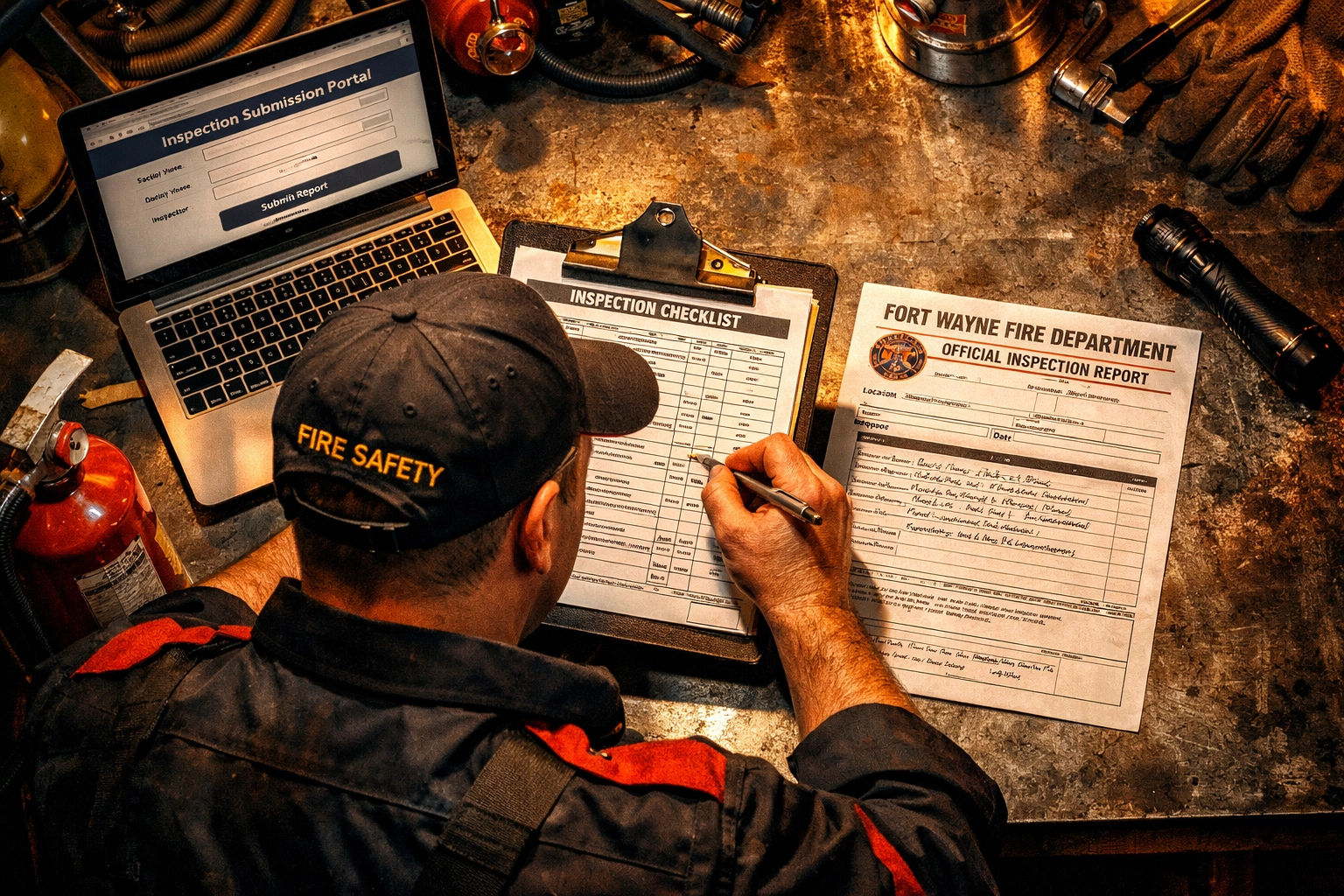
This is where a lot of businesses trip up. It's not enough to just get your system inspected: Fort Wayne ordinance requires you to submit detailed inspection reports directly to the Fort Wayne Fire Department Code Enforcement Division.
Here's the timeline you need to know:
If your inspection finds deficiencies: You have exactly one week from the inspection completion date to submit that report. Not seven business days. Seven calendar days.
If everything checks out: You've got ten days to submit your compliant report.
Critical deficiencies or red-tagged systems: These must be reported immediately. No grace period, no waiting.
Reports should be submitted through Inspectionreportsonline.net, and trust me, the Fire Department keeps track. Missing these deadlines can result in fines and follow-up inspections that cost you even more time and money.
The good news? When you work with a local company that understands Fort Wayne's requirements (like we do: been serving this community since 1946), they'll handle the reporting process for you. One less thing on your plate.
Let's clear this up right away: your fire suppression system must be professionally inspected at least once per year. This isn't a recommendation from some safety committee: it's required by law and follows NFPA 25 standards (that's the National Fire Protection Association's Standard for the Inspection, Testing & Maintenance of Water-Based Fire Protection Systems).
But here's what surprises most business owners: the annual inspection is just the beginning.
You're also responsible for:
Think of it like maintaining a commercial vehicle. You wouldn't wait for the annual inspection to check your oil, right? Same concept here. These regular checkpoints catch small issues before they become expensive emergencies.
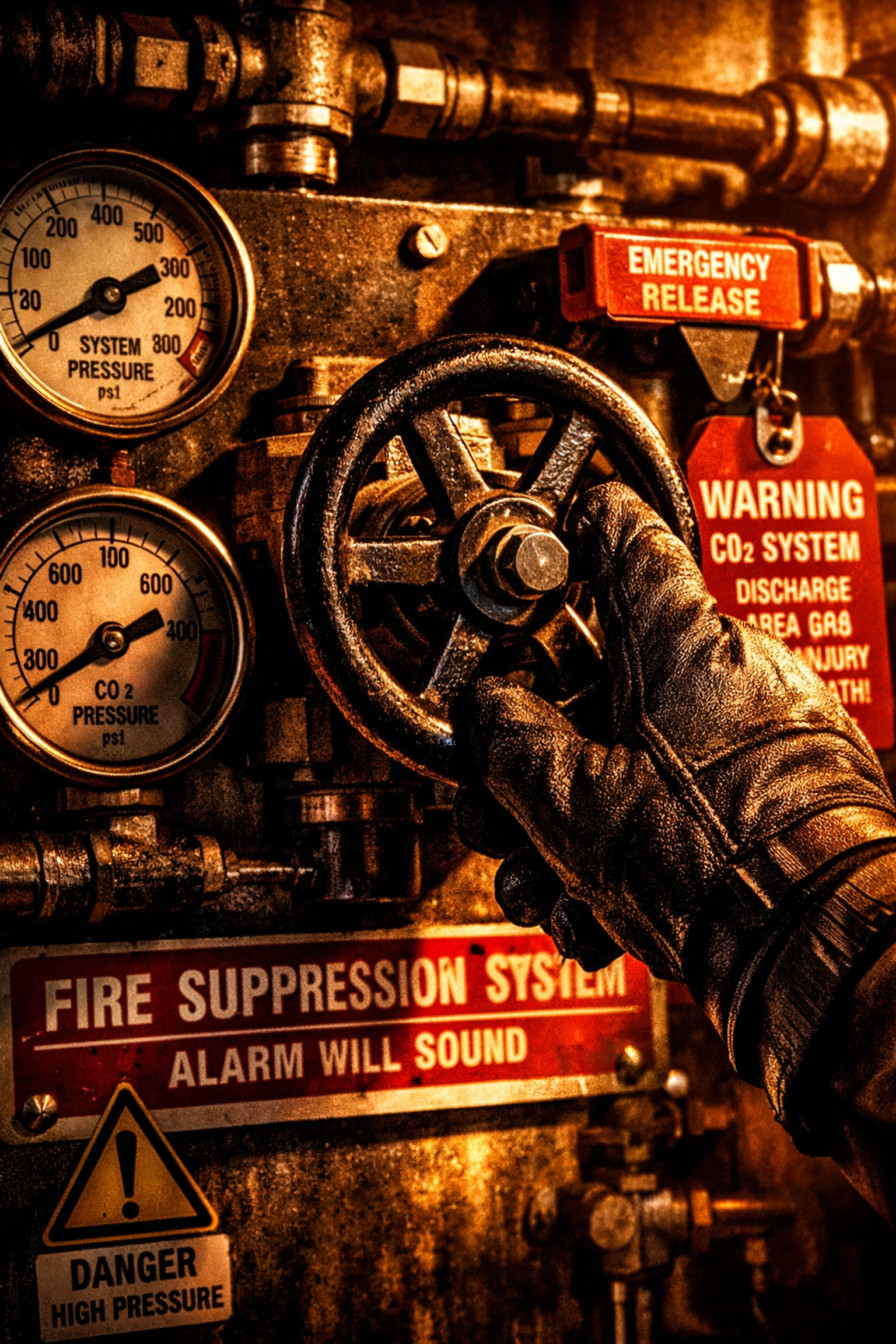
And if you think you can slide by without following NFPA 25 standards, think again. These standards exist because they work. Following them means your system will actually function when you need it most: which is kind of the whole point of having one.
Your maintenance guy might be great at fixing leaky faucets and changing air filters, but fire suppression system inspection requires certified professionals. Period.
Only trained and certified technicians can conduct the required annual professional inspection. These folks have gone through specific training programs, understand the complexities of different system types (from Ansul system inspection protocols to wet pipe sprinkler systems), and know exactly what to look for.
Here's what separates a certified technician from someone who just "knows about fire systems":
They're trained to spot problems you'd miss. A slightly corroded valve connection, a pressure reading that's technically "within range" but trending downward, or a seal that's starting to degrade: these are red flags to trained eyes but invisible to the untrained.
They know the testing protocols inside and out. Fire suppression systems aren't just visual inspections. They require specific tests: water flow tests, alarm tests, fire pump tests, and more. Get the sequence wrong or skip a step, and you might pass an inspection on a system that wouldn't actually work in an emergency.
They understand manufacturer-specific requirements. If you've got an Ansul system, it has different inspection requirements than a traditional sprinkler system. Certified techs know these differences.
When you're scheduling your inspection, ask about certification. It should be a given, but it's worth confirming. At TJ Nowak Supply, our rapid response team has the certifications and the experience (we're talking nearly 80 years in this business) to get it done right the first time.
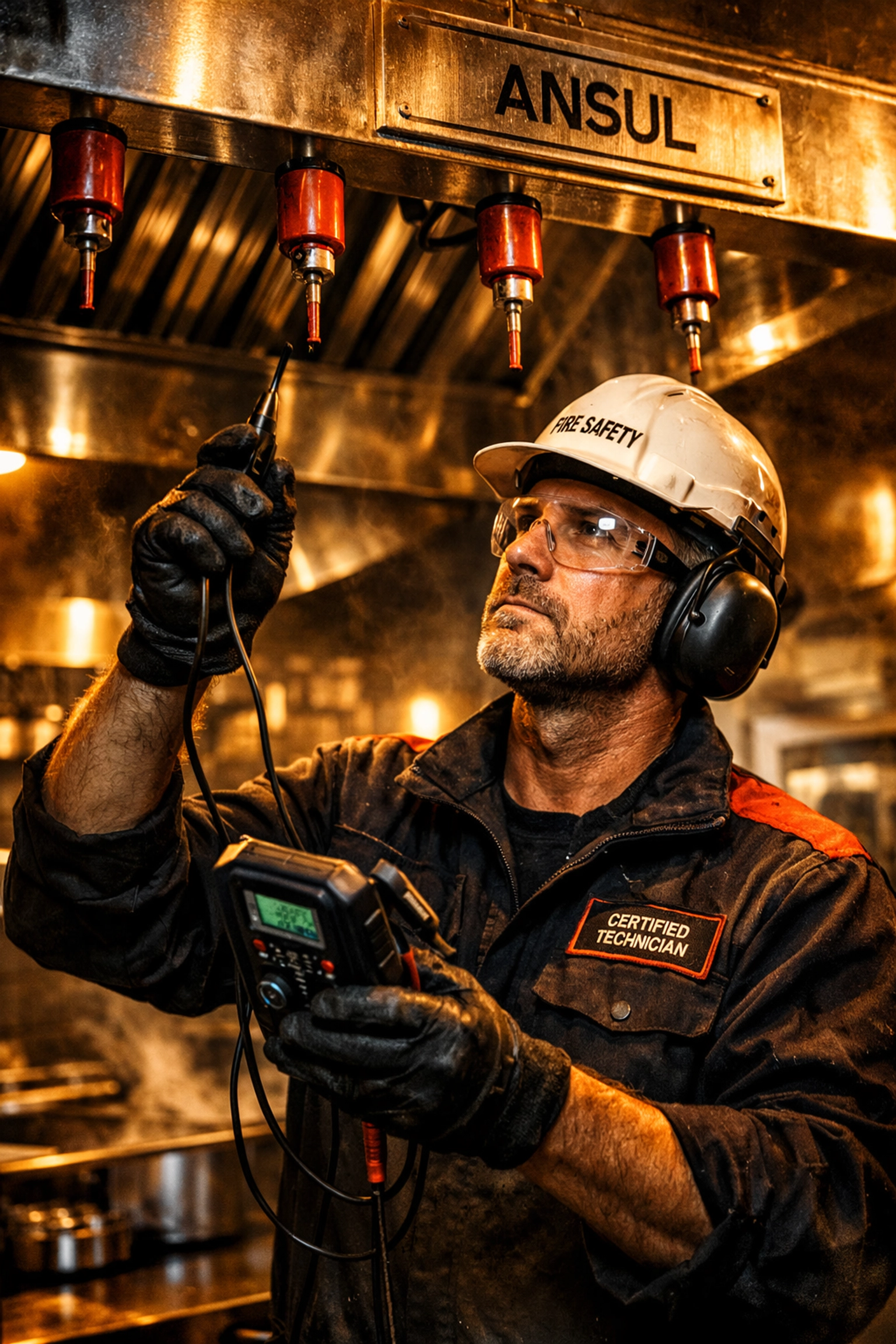
Most business owners picture a fire suppression system inspection as someone walking around, glancing at sprinkler heads, and checking a few boxes. The reality is a lot more comprehensive.
A proper fire suppression system inspection examines:
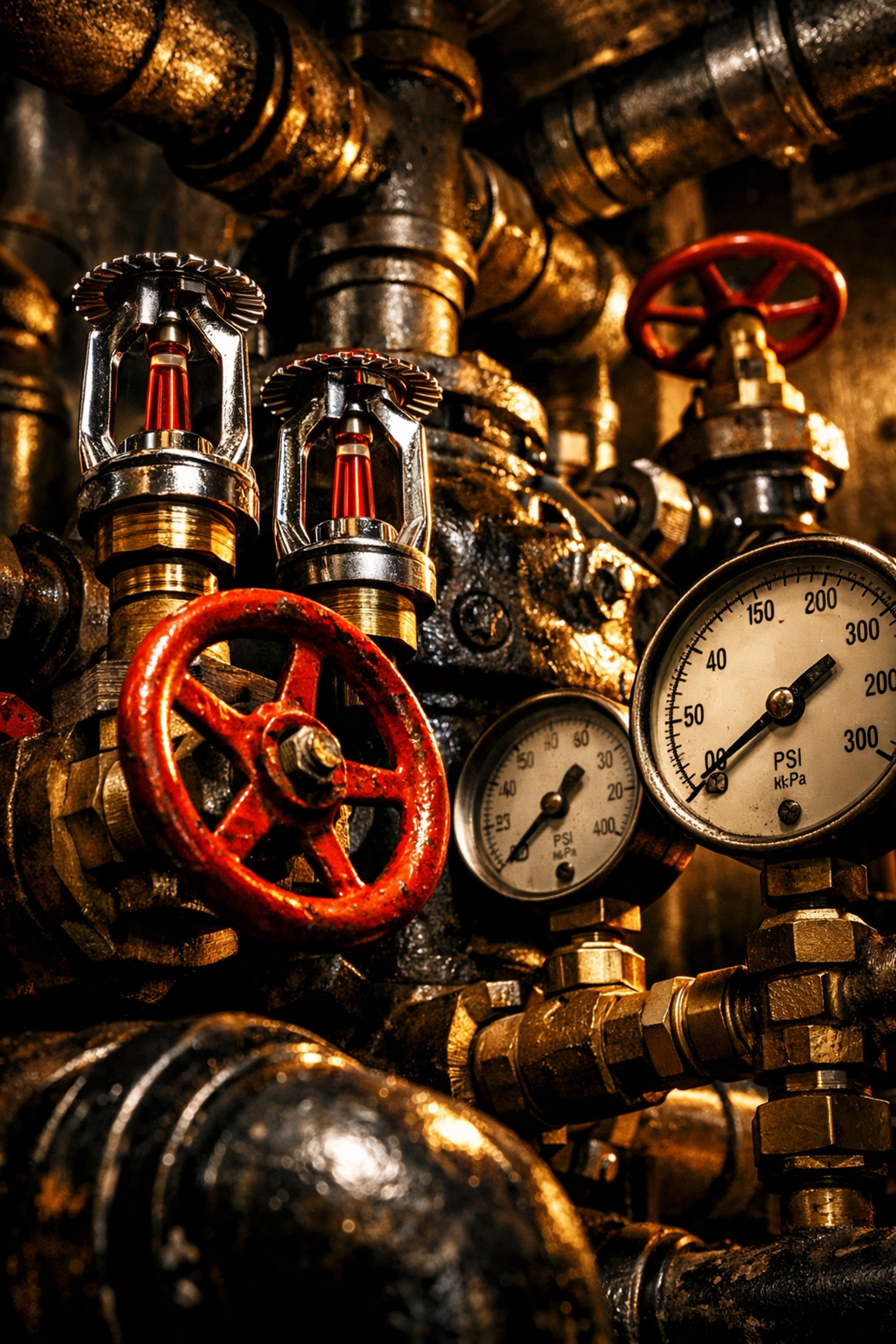
Valves and their positions – Are they in the correct position? Properly sealed? Accessible if needed? Free from leaks? Appropriately labeled?
Water pressure levels – Both static and residual pressure get measured to ensure adequate flow during an emergency.
Piping throughout the system – Looking for corrosion, damage, proper support, and correct drainage.
Alarm connections – Testing that alarms trigger correctly and communicate with monitoring systems.
Sprinkler heads – Checking for corrosion, damage, paint overspray, or physical obstruction. Even something as simple as storing boxes too close to a sprinkler head can be flagged.
Pressure-reducing valves – Ensuring they're functioning correctly and set to proper specifications.
Fire department connections – These exterior connections need to be accessible, clearly marked, and free from damage.
Detection tubing (for systems that use it) – Looking for kinks, damage, or improper installation.
For Ansul system inspection specifically (common in commercial kitchens and industrial settings), technicians also check the chemical agent levels, fusible links, manual pull stations, and the entire discharge mechanism.
Bottom line: plan for your inspector to be there for a while. A thorough inspection can't be rushed, and honestly, you don't want it to be.
Here's something most people don't think about: when you schedule your fire suppression system inspection matters.
Don't wait until you get a violation notice. By that point, you're already behind, potentially facing fines, and scrambling to find an available inspector. Fort Wayne businesses should be proactive about scheduling: mark your calendar for 11 months after your last inspection and start making calls.
Consider your business schedule. If you run a restaurant, you probably don't want your Ansul system inspection during your busiest service hours. If you operate a manufacturing facility, schedule around production deadlines when possible. A good inspection company will work with your schedule, not against it.
Budget for seasonal demand. Just like HVAC companies get slammed in summer, fire protection inspections see seasonal fluctuations. Planning ahead means you get your preferred date and time, not whatever's left.
Plan for follow-up work. If your inspection finds issues (and statistically, many do), you'll need time to make repairs and potentially schedule a re-inspection. Building in buffer time prevents compliance lapses.
And here's a pro tip from our decades of experience in Fort Wayne: establish a relationship with your inspection provider. When you work with the same company year after year, they become familiar with your specific system, can spot trends over time, and can respond faster when you need emergency service. That's the kind of rapid response that's kept TJ Nowak Supply serving Fort Wayne businesses since 1946.
Look, we get it. Running a business means juggling a thousand priorities, and fire suppression system inspection can feel like just another item on an endless to-do list. But here's the reality: skipping or delaying inspections isn't just risky: it's potentially catastrophic.
Beyond the obvious fire risk and potential loss of property or life, you're looking at:
The cost of an annual inspection is a fraction of what you'd pay in fines, repairs after a fire, or: worst case scenario: rebuilding your business from scratch.
If you're a Fort Wayne business owner reading this and thinking "I need to schedule my inspection," you're in the right place. Whether you need a standard fire suppression system inspection or specific Ansul system inspection for your commercial kitchen, working with experienced local professionals makes all the difference.
At TJ Nowak Supply, we've been part of the Fort Wayne business community since 1946. We understand local requirements, we respond rapidly when you need us, and we handle everything from inspection to reporting to any necessary repairs or system upgrades.
Don't wait for a violation notice or, worse, an emergency. Get your fire suppression system inspection scheduled, stay compliant, and protect what you've built.