
![[FEATURED IMAGE] First Aid Kit Restocking Service: Why Fort Wayne Businesses Are Switching to Scheduled Maintenance](https://cdn.marblism.com/nTqqQ7y5ACY.jpg)
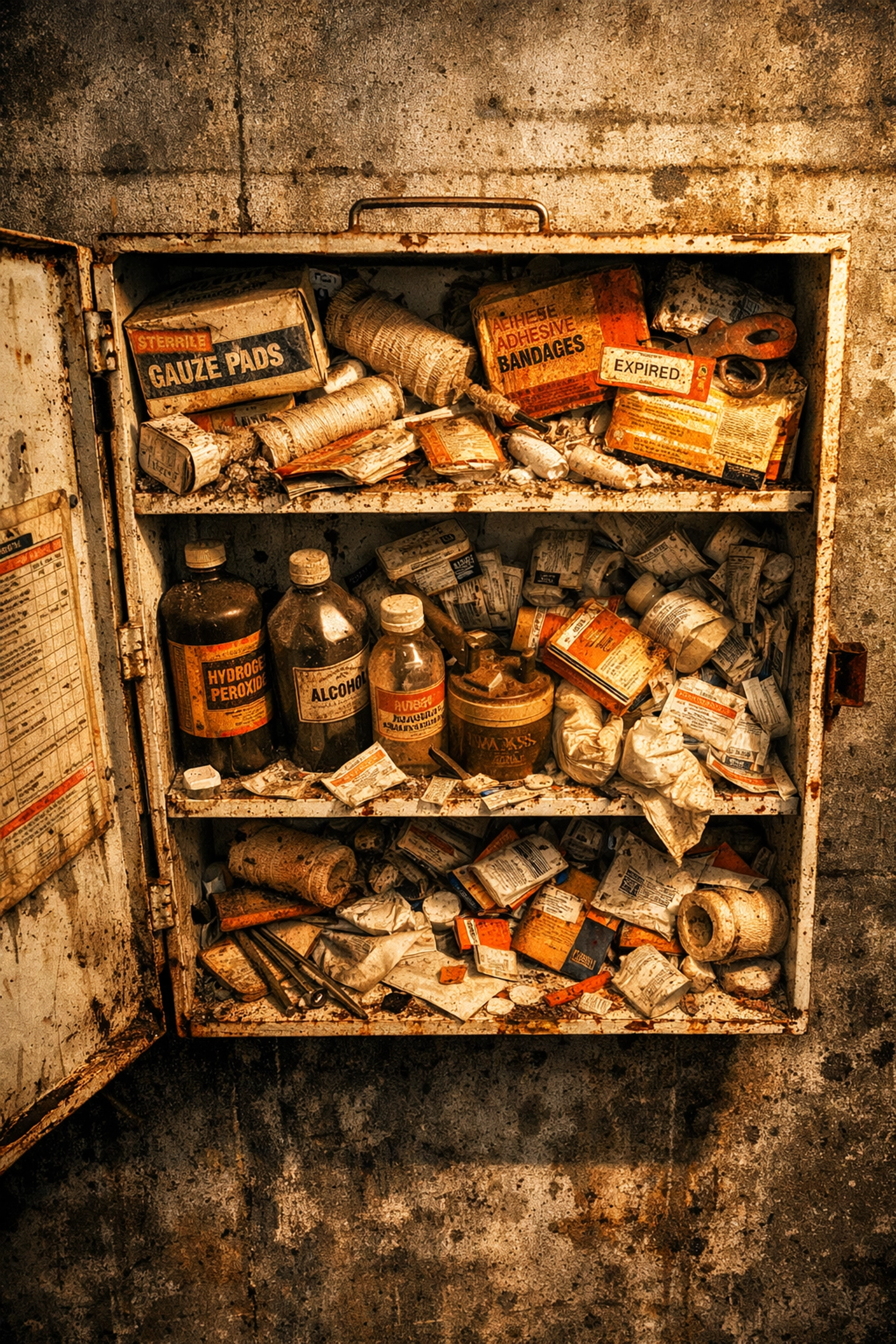
Walk into most Fort Wayne facilities, and you'll probably find a first aid kit mounted somewhere on the wall. Open it up, though, and you might find expired bandages from 2019, half-empty bottles of who-knows-what, and a couple of random items that definitely weren't part of the original kit. Sound familiar?
For years, businesses across Northeast Indiana have been managing their first aid supplies the same way: assign it to someone on the team, hope they remember to check it, and scramble when an OSHA inspector shows up or an ISO auditor starts asking questions. It's a system that kind of works… until it doesn't.
That's exactly why more Fort Wayne businesses are ditching the DIY approach and switching to scheduled first aid kit restocking services. It's not just about having Band-Aids on hand: it's about compliance, cost control, and honestly, just having one less thing to worry about.
Let's be real: nobody wakes up excited to inventory first aid supplies. It's one of those tasks that gets pushed to the bottom of the priority list until something forces it to the top: usually an audit, an injury, or a compliance issue.
Here's what typically happens when businesses manage their own first aid kits:
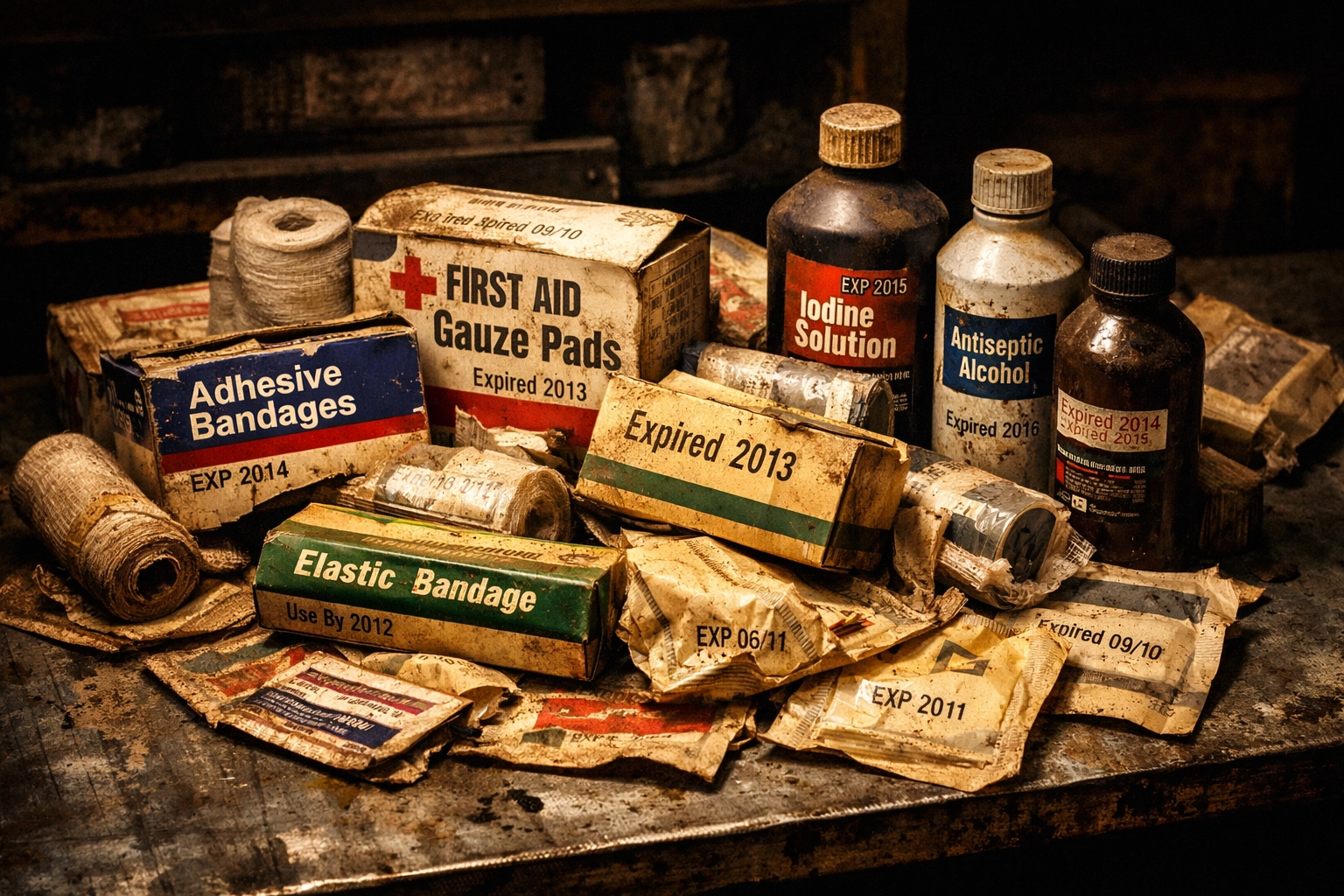
Expired items sit for months (or years). You'd be surprised how many facilities have antiseptic wipes from the Obama administration. Once something goes in the cabinet, it tends to stay there until someone specifically checks the expiration dates. And let's face it: that's not happening regularly.
Inconsistent inventory levels. One month you're overstocked on gauze. The next month you're completely out of disposable gloves. There's no rhyme or reason to the ordering, and you're either spending too much or running short when you actually need something.
Compliance gaps that show up at the worst times. ISO auditors and OSHA inspectors have a knack for finding exactly what you forgot to update. One expired item can trigger a non-conformance that creates a whole cascade of paperwork and corrective actions.
Time that could be spent elsewhere. Your facility manager has enough on their plate without adding "first aid kit monitor" to the job description. Between tracking expiration dates, placing orders, and physically restocking cabinets, it adds up to hours that could be better spent on actual facility operations.
So what's different about a managed service? Instead of you tracking everything, a dedicated provider handles the entire program on a regular schedule: usually monthly or quarterly, depending on your facility's needs.
Here's how it works at most Fort Wayne businesses:
A route specialist shows up at your facility on a predetermined schedule. They're not just dropping off a box and leaving: they're doing a full assessment. They check expiration dates, remove anything that's outdated, replenish used items, organize the cabinet so everything's where it should be, and document the visit for your compliance records.
The real value is in the consistency. It's not dependent on someone remembering to check the kit or finding time in their schedule. It just happens, like clockwork, whether your facility is in the middle of a busy production run or it's a slow week.
OSHA doesn't mess around when it comes to workplace safety requirements, and first aid supplies fall squarely in their crosshairs. Depending on your industry and workforce size, you're required to maintain adequate first aid supplies that meet specific standards: primarily ANSI Z308.1.

The problem is that "adequate" isn't just about having a kit on the wall. It's about having the right supplies for your specific workplace hazards, ensuring items aren't expired, and being able to demonstrate that you're maintaining these standards consistently.
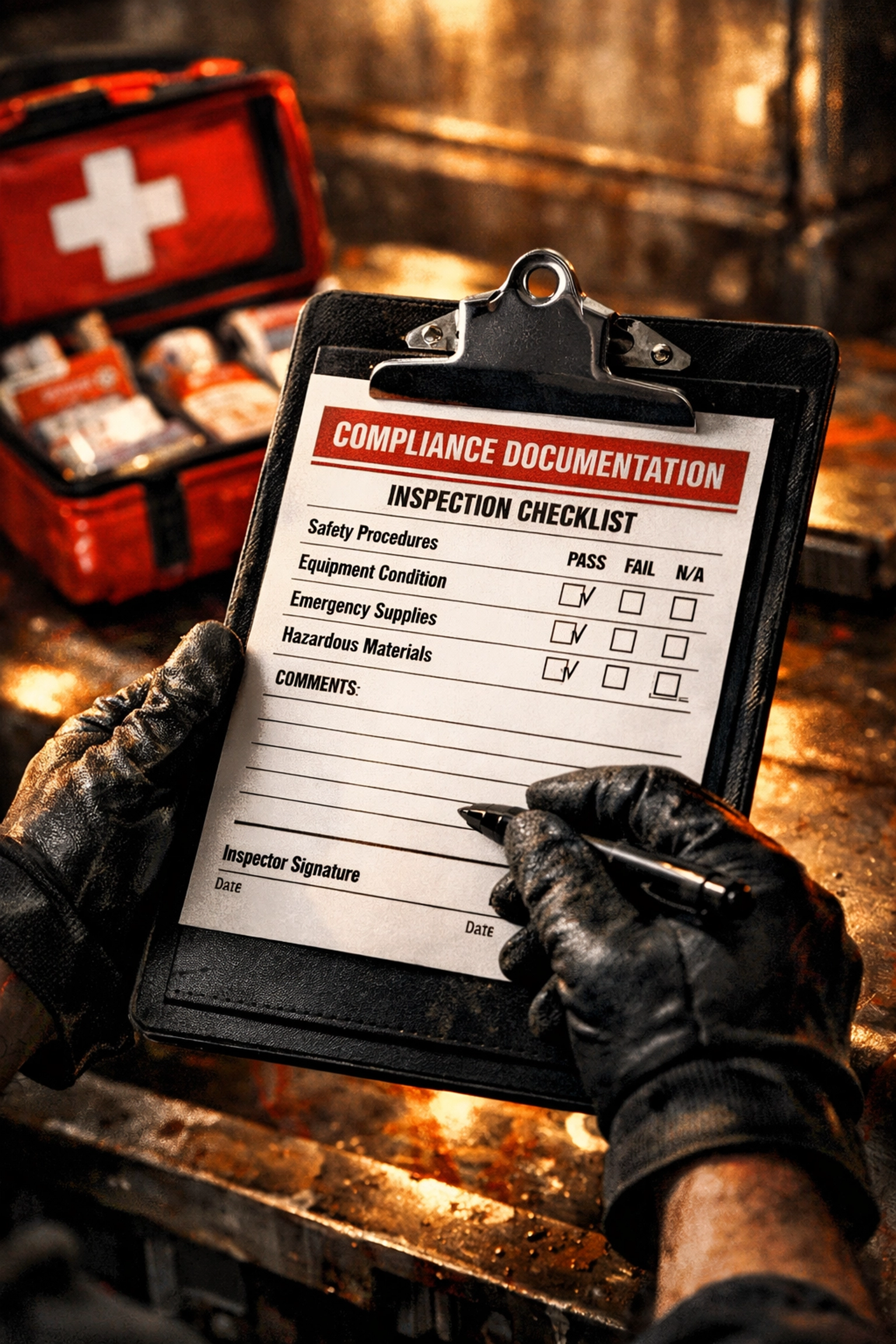
When an ISO auditor walks through your facility, they're looking for evidence of systematic management. A scheduled service provides that documentation automatically. Every visit is logged, every item replaced is tracked, and you have a clear paper trail showing consistent compliance with regulatory standards.
One Fort Wayne manufacturer discovered this the hard way. During an ISO audit, the auditor found expired items in multiple first aid cabinets. The result? A major non-conformance that required immediate corrective action and follow-up verification. After that experience, they switched to a managed service: not because they wanted to spend more money, but because the cost of non-compliance was significantly higher than the service fee.
Most businesses assume that managing their own first aid supplies is the budget-friendly option. Buy a kit, refill it when needed, done. But when you actually run the numbers, that assumption falls apart pretty quickly.
Overstocking is expensive. When you're ordering supplies yourself, you're probably buying more than you need to avoid running out. That means you're tying up capital in inventory that's sitting in a cabinet slowly approaching its expiration date. With a scheduled service, you're only paying for what's actually delivered and used.
Emergency orders cost more. Run out of something critical and need it overnight? You're paying premium prices. Scheduled services maintain appropriate inventory levels so you're never in that position.
Expired waste adds up. Every expired item you have to throw away is money in the trash. Managed services rotate stock systematically to minimize waste.
Time is money. Calculate how many hours your staff spends annually on first aid kit management: tracking, ordering, restocking, documenting. Even at a conservative estimate of 2-3 hours per month, that's 24-36 hours of labor that could be redirected to productive work.
Not all first aid restocking services are created equal. If you're considering making the switch, here's what separates the good providers from the ones that are basically just selling you a subscription:
Facility-specific assessment. Your manufacturing floor has different hazards than your office space. A quality service provider will assess each area's specific needs and customize supplies accordingly. They should be asking questions about your operations, not just handing you a generic kit.
Flexibility in scheduling. Some facilities need monthly visits. Others can go quarterly. The service should adapt to your actual usage patterns, not lock you into a rigid schedule that doesn't match your needs.
Beyond just restocking. Look for providers who do more than drop off supplies. Do they sanitize equipment? Check eyewash stations? Organize cabinets? These extras matter for maintaining a truly compliant and functional safety program.
Local presence. When you need support or have questions, dealing with a local Fort Wayne provider makes a huge difference compared to calling a national call center. You're working with people who understand Indiana workplace requirements and can respond quickly when issues arise.
If you're thinking about transitioning from self-managed first aid kits to a scheduled service, the process is typically straightforward. Most providers will start with a facility walk-through to assess your current setup and identify gaps or compliance issues.
They'll inventory what you already have, note what's expired or missing, and develop a customized plan based on your facility size, employee count, and specific workplace hazards. From there, they'll establish a regular schedule and handle everything moving forward.
The transition usually takes one or two service visits to get everything fully optimized. After that, it's hands-off from your perspective: just consistent, reliable service that keeps your first aid program compliant and ready when you need it.
Here's the bottom line: if you're a Fort Wayne business with 25+ employees, multiple work areas, or any kind of regulatory compliance requirements (ISO, OSHA, industry-specific standards), a scheduled first aid kit restocking service typically pays for itself through reduced waste, better compliance, and time savings.
The businesses making the switch aren't doing it because they have money to burn. They're doing it because they've realized that trying to manage first aid supplies in-house is creating more problems than it solves: compliance gaps, wasted time, inconsistent inventory, and exposure to regulatory penalties.
A managed service takes first aid kit maintenance completely off your plate while actually improving your compliance posture. For most facilities, that's a trade worth making.
If you're in Fort Wayne and ready to explore what a scheduled first aid kit restocking service could look like for your business, it's worth having a conversation about your specific needs. Because the best first aid program is the one you don't have to think about( until you actually need it.)