As the 2026 business cycle approaches, many facility managers and business owners in Fort Wayne are eagerly anticipating a year of growth and expanded operations. However, with new facilities and increased production comes the crucial responsibility of safeguarding your assets and personnel. To prevent accidents and ensure long-term viability, it is essential to prioritize your facility’s safety infrastructure.
Understanding the complexities of fire protection and fire suppression is no longer optional; it is a foundational requirement for staying compliant with evolving NFPA and OSHA standards. At TJ Nowak Supply, we have served as Northern Indiana’s trusted safety partner since 1946, providing the expertise required to navigate these shifting regulations. This definitive guide will outline the critical differences between safety systems and what you must do to ensure your fire suppression system inspection keeps you in the clear.
While the terms are often used interchangeably in casual conversation, fire protection and fire suppression represent two distinct layers of a comprehensive safety strategy.
Fire protection is a broad, integrated strategy designed to detect, contain, and control a fire. It encompasses both "active" and "passive" systems. Passive fire protection includes fire-rated walls, doors, and smoke dampers that work to slow the spread of flames without human intervention. Active fire protection includes smoke detectors, fire alarms, and notification systems that alert occupants to danger.
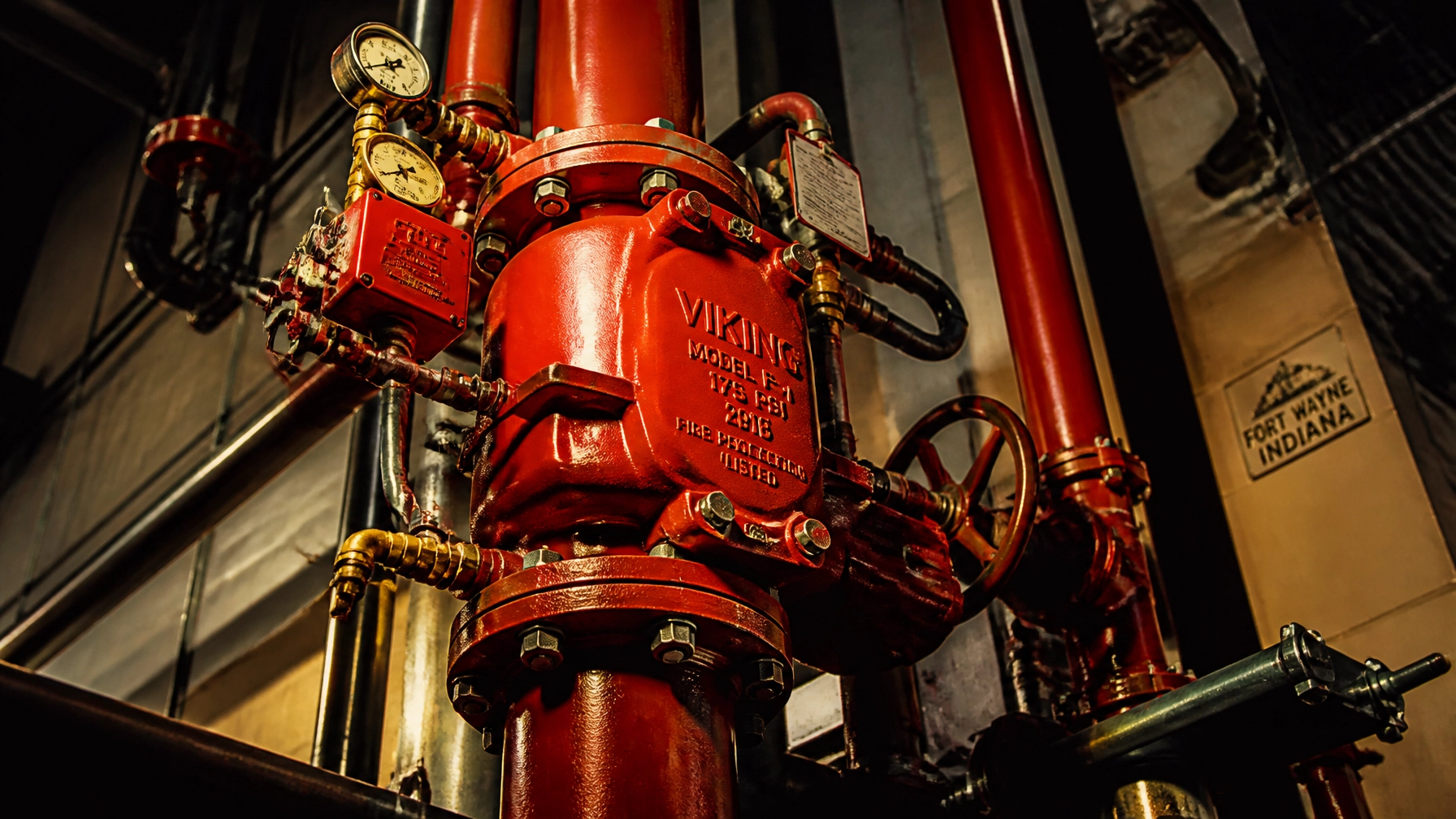
Fire suppression is a specific subset of fire protection. While protection focuses on the "big picture" of safety and containment, a fire suppression system is designed to rapidly extinguish or control a fire at its source using specialized agents like chemicals, gases, or foams. Examples include kitchen hood systems (like Ansul), clean agent systems for data centers, and industrial dry chemical systems.

Compliance is moving toward more rigorous, data-driven standards. By 2026, the Authority Having Jurisdiction (AHJ) in Fort Wayne and surrounding areas like Columbia City and Auburn will place greater emphasis on documented fire suppression system inspection cycles.
Failing to maintain your systems is more than a safety risk, it is a legal liability.
Regular inspections ensure that your system will actually fire when needed. Over time, nozzles can clog, pressure can leak, and chemical agents can degrade. A certified inspection identifies these failure points before they lead to a catastrophe.
In many Fort Wayne industrial and food service environments, standard sprinklers aren't enough. Water can sometimes cause more damage than the fire itself, or in the case of grease fires, it can make the situation significantly worse.
For commercial kitchens, a wet chemical suppression system is the gold standard. These systems are designed to coat a grease fire in a soapy film, cutting off oxygen and cooling the surface instantly. TJ Nowak Supply technicians are specialists in the installation and maintenance of these high-performance systems.
For facilities with high-value electronics, data centers, or medical equipment, clean agent systems (such as FM-200 or Novec 1230) provide a non-conductive, residue-free solution. These systems extinguish fires in seconds without damaging your hardware, ensuring minimal downtime for your business.

Even the most diligent managers can fall into common traps that lead to failed inspections or equipment failure.
When it involves the safety of your facility, experience matters. TJ Nowak Supply is not just a vendor; we are a locally owned and operated partner deeply rooted in the Fort Wayne community.
We serve a wide radius across Northern Indiana, including Columbia City, Auburn, Warsaw, Huntington, and Angola. If your site is further out, we offer custom logistics to ensure you have the coverage you need.

Most commercial and industrial fire suppression systems require a professional inspection every six months (semi-annually) to meet NFPA standards. Portable fire extinguishers typically require an annual inspection.
Pricing for inspections varies based on the size and complexity of your system. Generally, a standard kitchen hood inspection or a small industrial system inspection starts with a base service fee plus the cost of any parts (like links or cartridges) that need replacement. Contact TJ Nowak Supply for a specific quote tailored to your facility.
Yes, in many cases. Sprinklers are designed for general building protection, but specialized hazards: like cooking equipment, server rooms, or chemical storage: require suppression systems that use agents other than water to safely and effectively extinguish the fire.
We are the premier local provider for Fort Wayne, IN. We also regularly service clients in Columbia City, Auburn, Warsaw, Huntington, and Angola.
Don't wait for an inspector to find a deficiency. Ensure your business is protected by the most reliable name in Indiana safety.
Order online for fast delivery in Fort Wayne or contact our specialists to schedule your next service.
Call TJ Nowak Supply today at (260) 432-0591 or Get a quote today.